Address
304 North Cardinal
St. Dorchester Center, MA 02124
Work Hours
Monday to Friday: 7AM - 7PM
Weekend: 10AM - 5PM
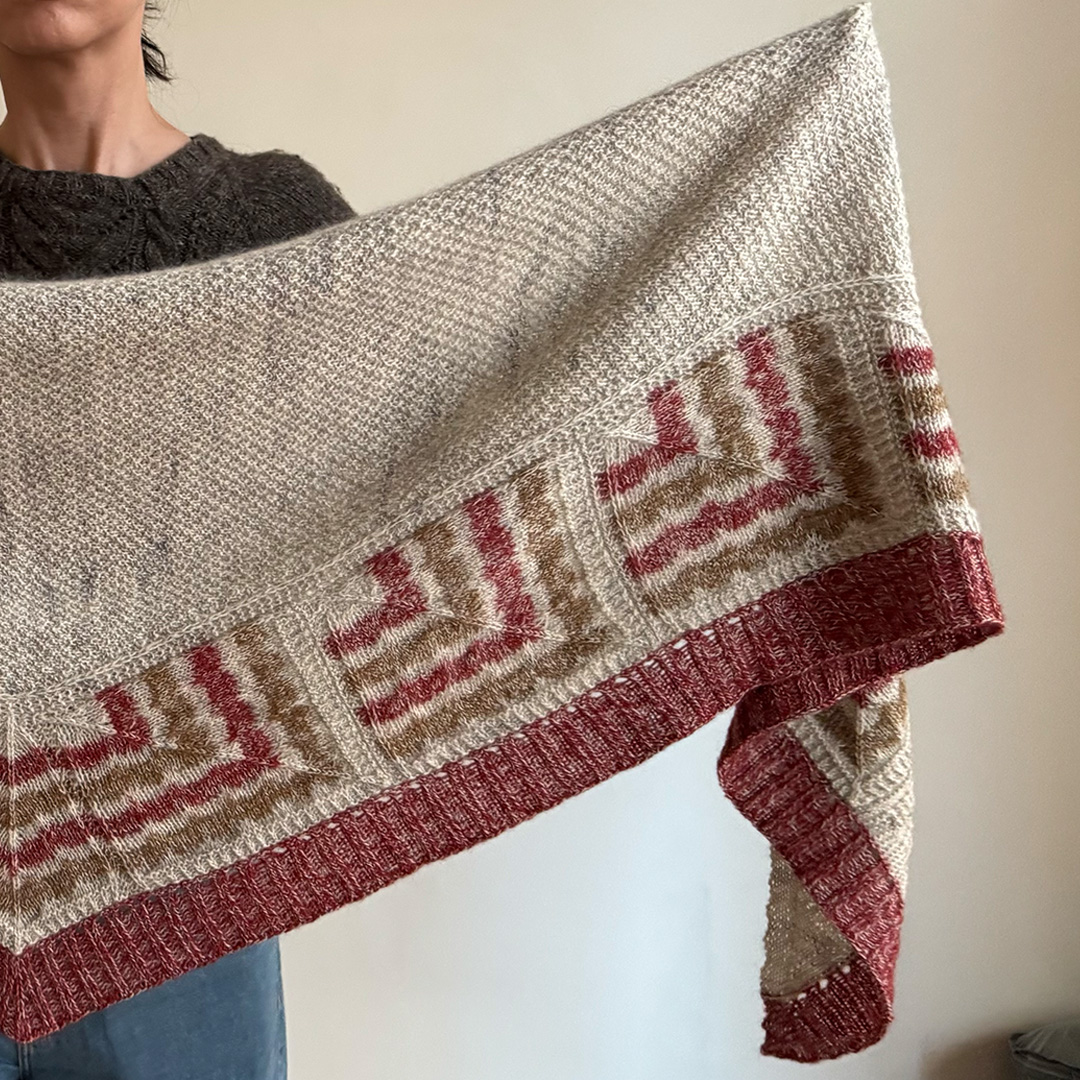
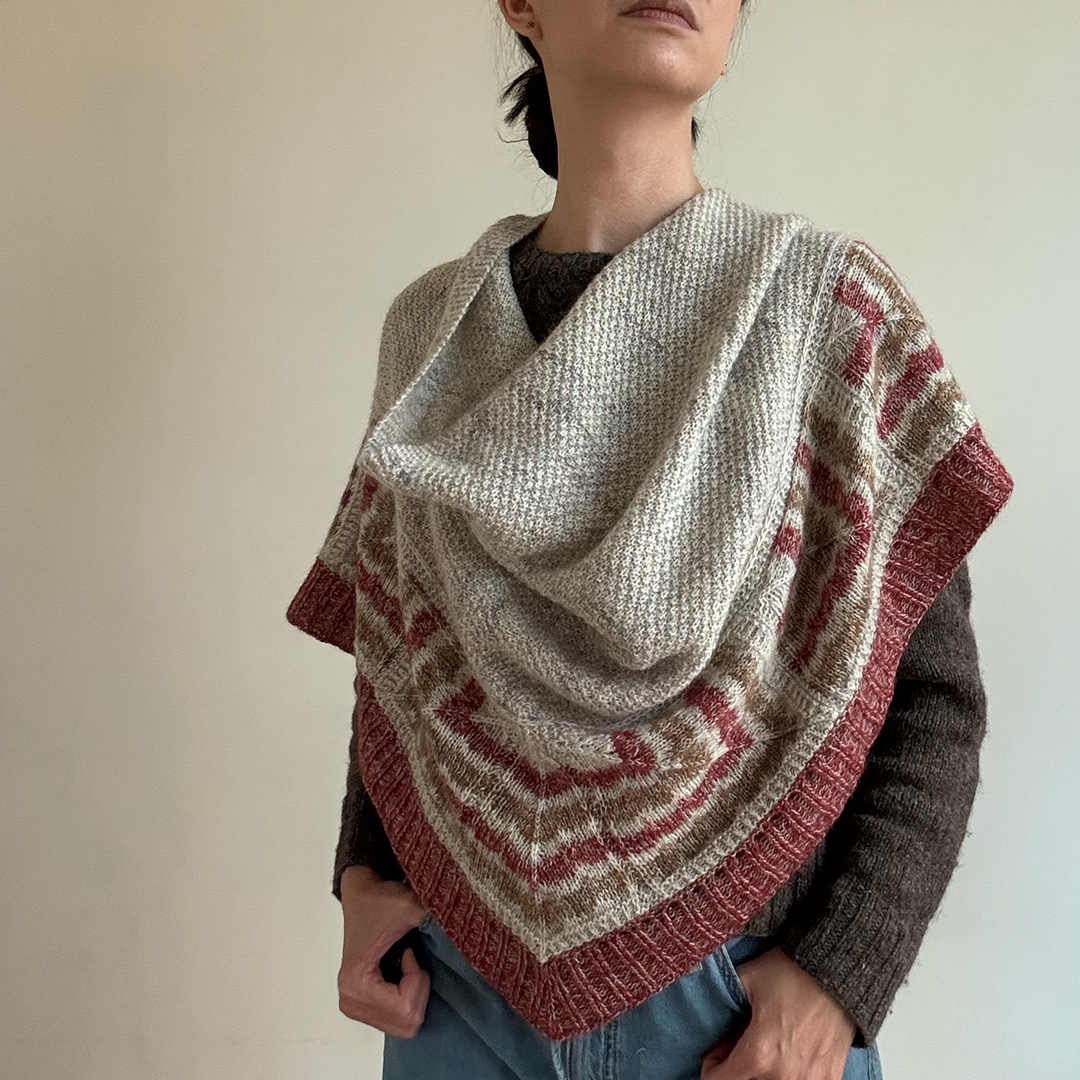
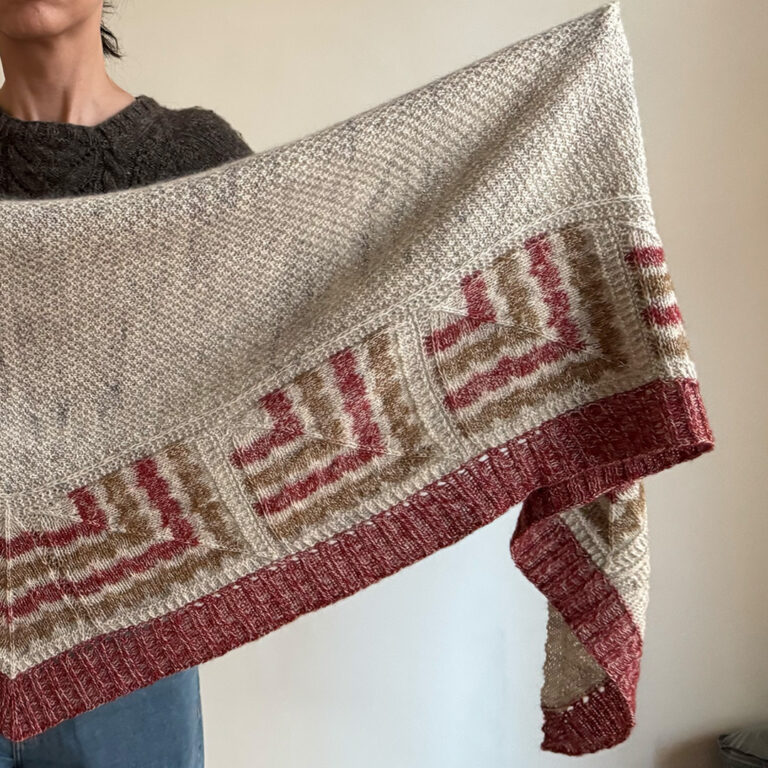
Project Name: Astera Shawl
Pattern Designer: Inese Sang
Yarn: Tomo Knit Fever: La Bien Aimée Helix – Cassiopeia
Wool & Hues: In Bloom – Luna、Wheat Waves、Rouge
Finished Project: Ravelry
Photos: © ONDOhandcrafts Studio. All rights reserved.
Late October last year (2025), when I saw the test-knit invitation for the Astera Shawl sent out by Inese, I was completely captivated by the photos of the sample! After carefully reading the pattern description and seeing its very unique construction, I couldn’t resist joining the test-knit once again—even though my home space is quite limited and not ideal for blocking such a massive piece.
When it came to choosing the yarn, it happened that Tomo (owner of (TomoKnitFever) was about to invite Aimé Gille, the owner of the renowned brand La Bien Aimée, to Taiwan for a meet-and-greet and workshops. Since I had never used her yarn before, I felt it was the perfect opportunity to fully experience her yarns before this rare event.
Between the two lace-weight yarns, Helix and Felix, I eventually settled on Helix. This was mainly due to the suggestion from Inese, who is familiar with both; she mentioned that Helix’s superior stitch definition is better suited for showcasing the intricate patterns of this shawl than the softer Felix. Indeed, when I felt both yarns in person at Tomo’s shop, I found this to be true. As for the color, I have a penchant for vibrant tones with a sense of vitality, so I chose “Cassiopeia”—a grey base blended with varying depths of purple, blue, and red.
Helix consists of 75% Falkland Merino and 25% Gotland Wool. Because it is non-superwash, it retains the unique soft touch and luster of raw wool. Before blocking, the yarn feels slightly firm yet elastic; after blocking, the softness blooms beautifully without causing the stitch patterns to lose their stitch definition. Moreover, with 650m per 100g, it is very generous in yardage. Whether worked single-stranded, double-stranded, or held with other yarns, it is a joy to knit with.
For the accent colors, I continued with In Bloom, which I’ve been loving lately. Although there weren’t many colors available at the time (it has now expanded to 12 colors), I spent quite a bit of time pondering the combination. After discussing several options with Ivy (owner of Wool & Hues), we finally decided on this palette: Luna / Wheat Waves / Rouge. To be honest, I was a bit nervous about this combination until I finished the first square. Since I couldn’t visit Ivy’s studio to compare the colors in person, I had to rely on my own experience, intuition, and Ivy’s advice. Fortunately, I’m lucky enough to create great results every time.
I have already shared a detailed introduction to In Bloom yarn in my previous blog post for the Tiny Muscari Pullover, so I won’t be repeating those details again in this article. You can refer back to that post if you’d like to learn more!


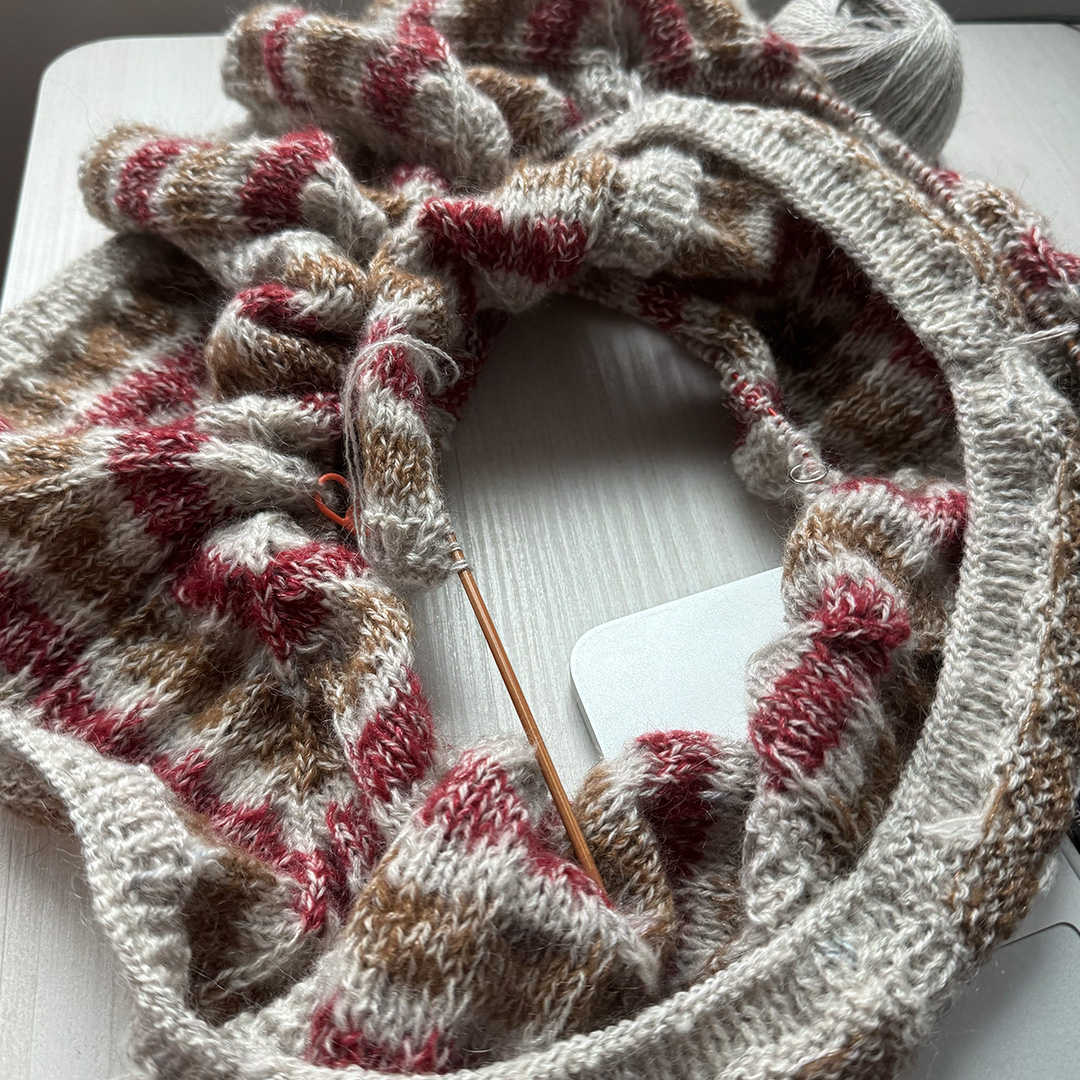
As for the pattern, the lower edge of the shawl, constructed from joined Granny Squares, is the most unique and eye-catching part of the entire design.
In Mandarin, Granny Square is often literally translated as “Grandmother’s Square” (祖母方格), which I personally find a bit stiff… 😅. After asking AI, I found that some in Taiwan also call it “Ah-Ma’s Square” (阿嬤方塊), which I find much more endearing. However, I still prefer using the original English term. While many words can be translated well, some terms lose the nuance of their original meaning once translated.
The Granny Square originated from female elders in Western households—especially grandmothers—who would take leftover scraps of yarn and crochet them into small squares, then join them into blankets or other home decor. This tradition of cherishing materials has been passed down, and people simply call these blocks Granny Squares. —Source: AI
I used to only know how to crochet squares or circular coasters, and I once had the ambitious goal of joining pieces into a small throw (though it was so tedious I still haven’t finished it… 😅). In short, I never thought about knitting them with needles. Inese’s design of integrating Granny Squares into a shawl was something I had never seen before, and it was the main reason I joined this test-knit. You knit all the small squares first, sew them together one by one, and after the main body of the shawl is finished, you attach this string of squares and finish with a border.
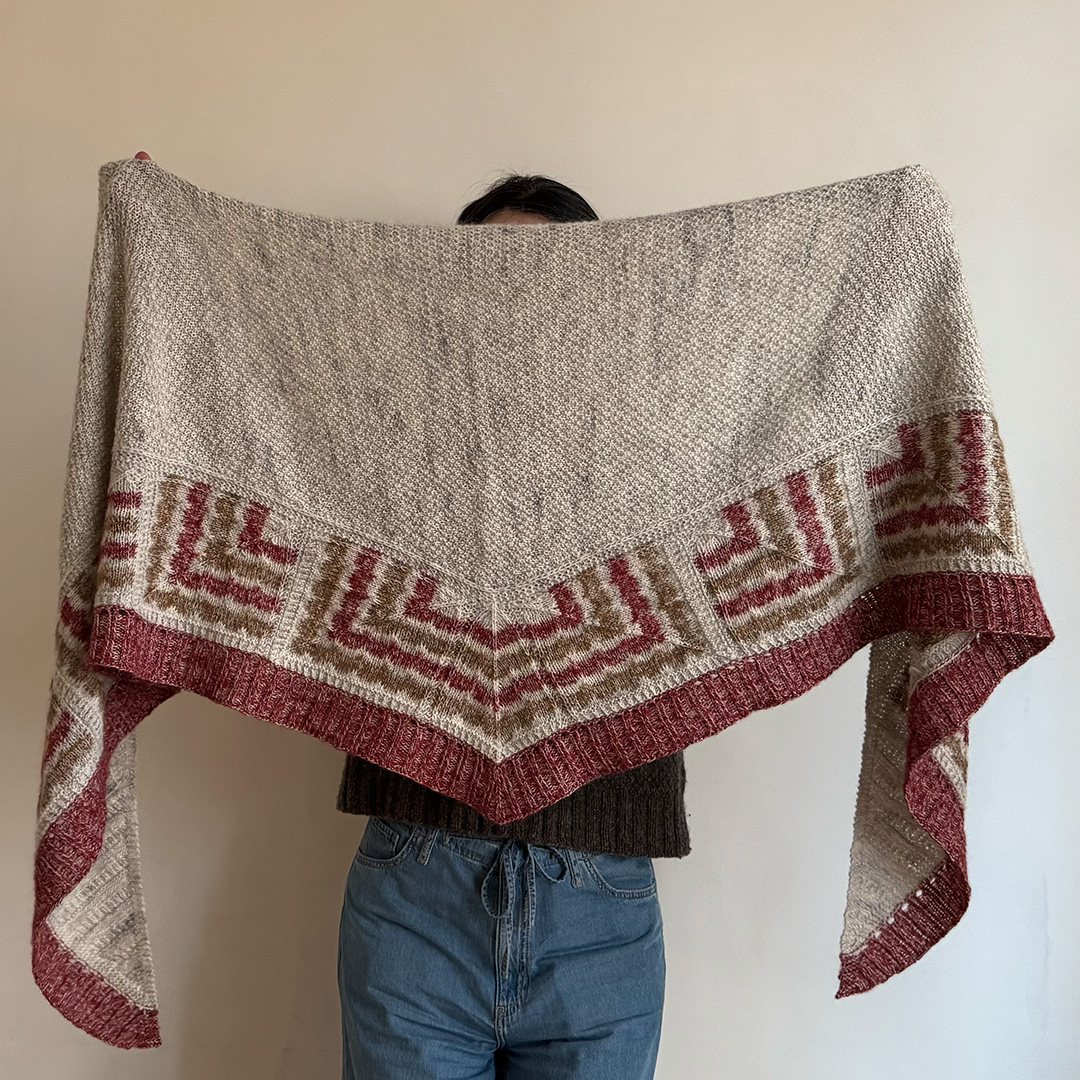
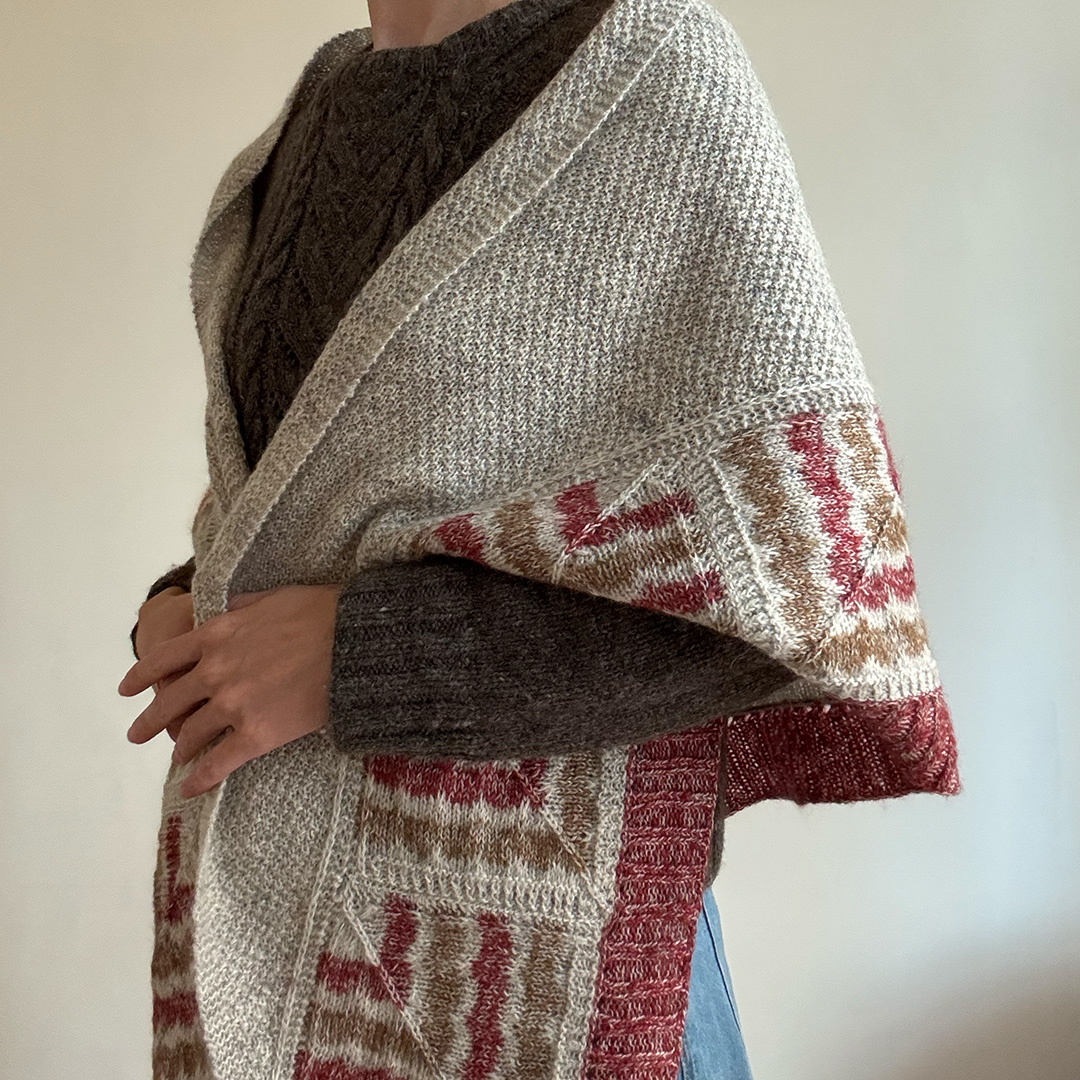
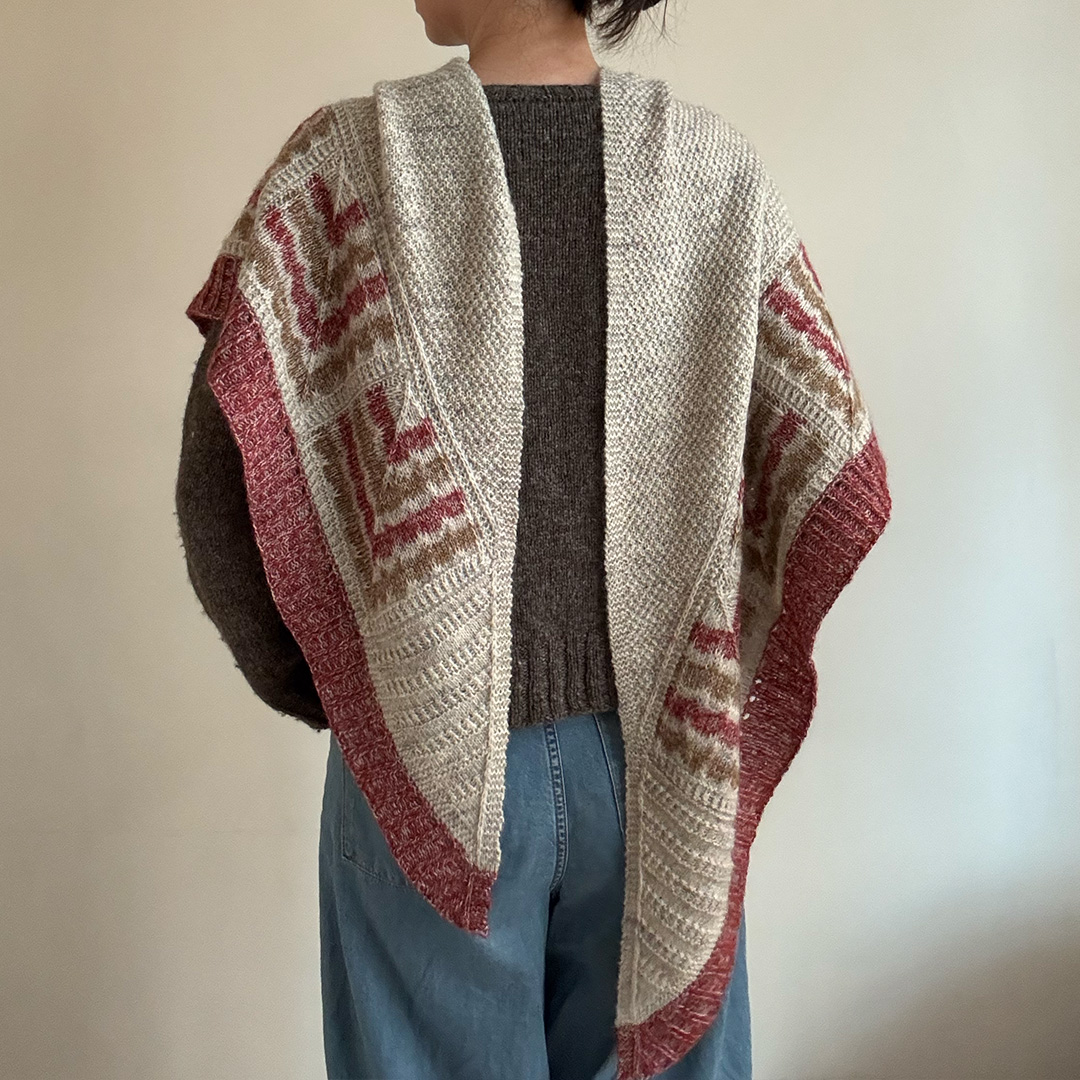
I find knitting patterns written by Inese to be a truly enjoyable experience. Her patterns are exceptionally detailed, featuring clear photos and video tutorials for special steps—just the right amount of information. For the Astera shawl specifically, Inese included many of her own hand-painted watercolor illustrations to explain the arrangement and direction of the squares. They are incredibly beautiful and clear. I’m so envious of those who can master a difficult medium like watercolor! Because of this, I think I’ve been spoiled by her; that’s why I often find it so agonizing when knitting Nordic or Japanese-style patterns that are so minimalist they require intense mental effort to figure out. 😂
The most challenging part of the process was definitely sewing all the squares together! Because my eyesight isn’t the best, I kept struggling to find symmetrical holes for seaming, which led to many rounds of sewing and frogging until I began to question everything. However, even after being frogged so many times, the yarn didn’t break—it just got a tiny bit fuzzier. Yarn quality really is so important!
After blocking, the shawl became surprisingly soft. It has a beautiful drape without being limp or losing its shape. Despite holding it with a strand of In Bloom, it remains light and airy since it’s lace-weight. Aside from its massive size making blocking a bit of a puzzle, it dried completely overnight. It feels so light and comfortable when worn!
My takeaway from knitting the Astera shawl: you get to practice many techniques you don’t usually encounter and learn a very different structure and knitting direction. From knitting and arranging different shapes of squares to the calm yet textured Moss Stitch, this shawl is perfect for those who want a stimulating challenge that isn’t overly difficult. Plus, because the finished piece looks so intricate, it’ll make everyone think you’re a knitting genius! 😎
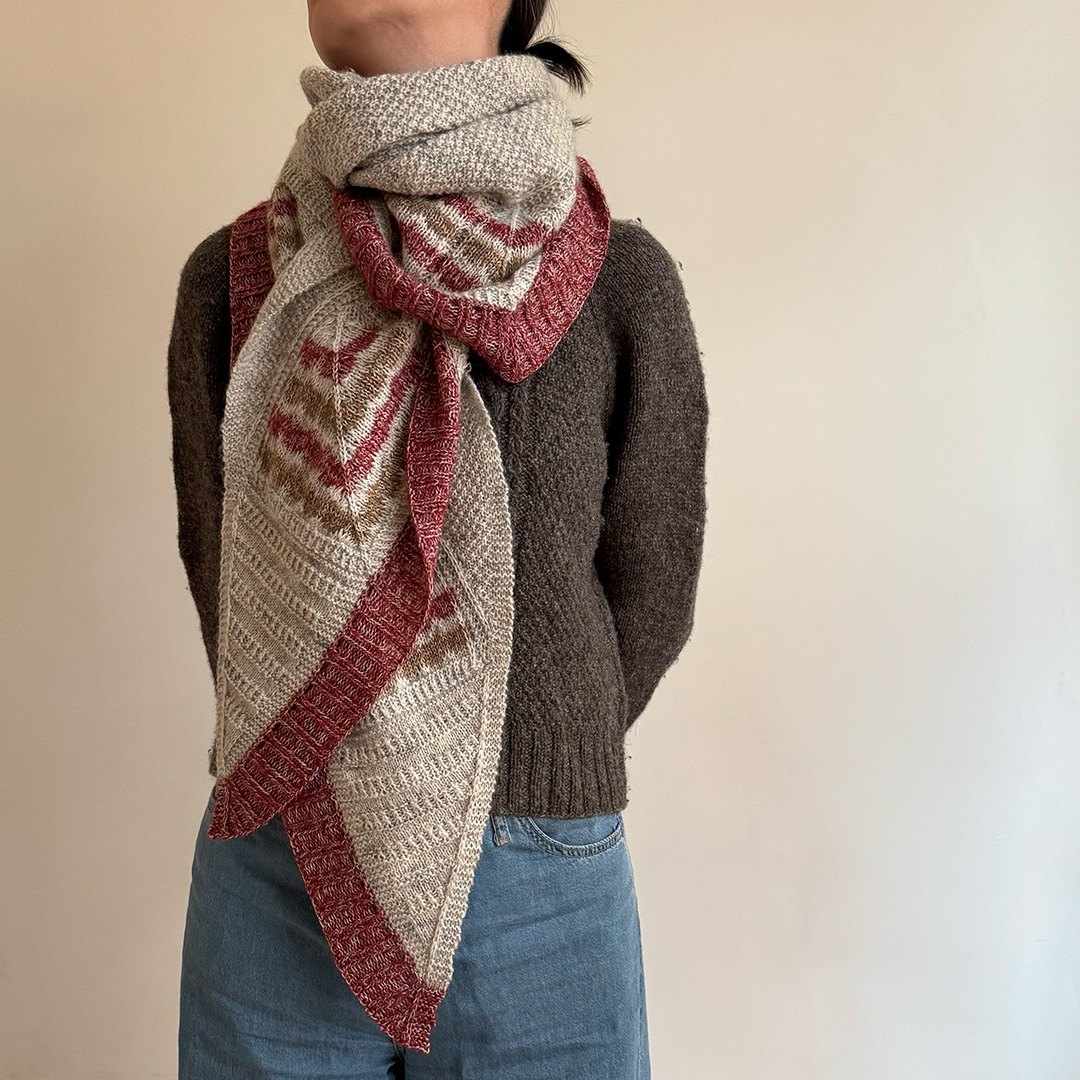
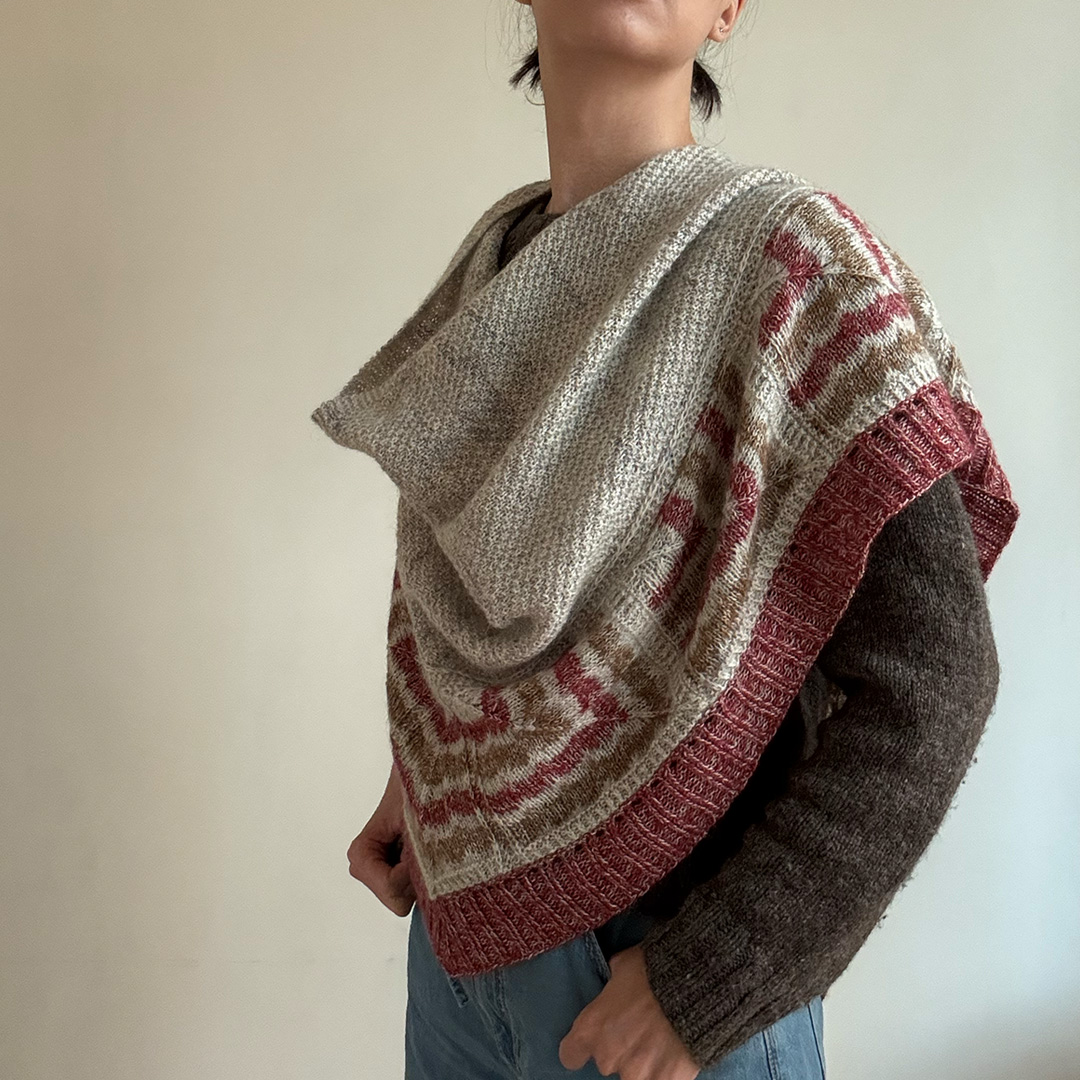
Shortly after finishing this shawl, I ran into a fellow test-knitter at the Taiwan Yarn Festival wearing her finished Astera. I was so happy to see a different color combination in person; it really brought the design to life!
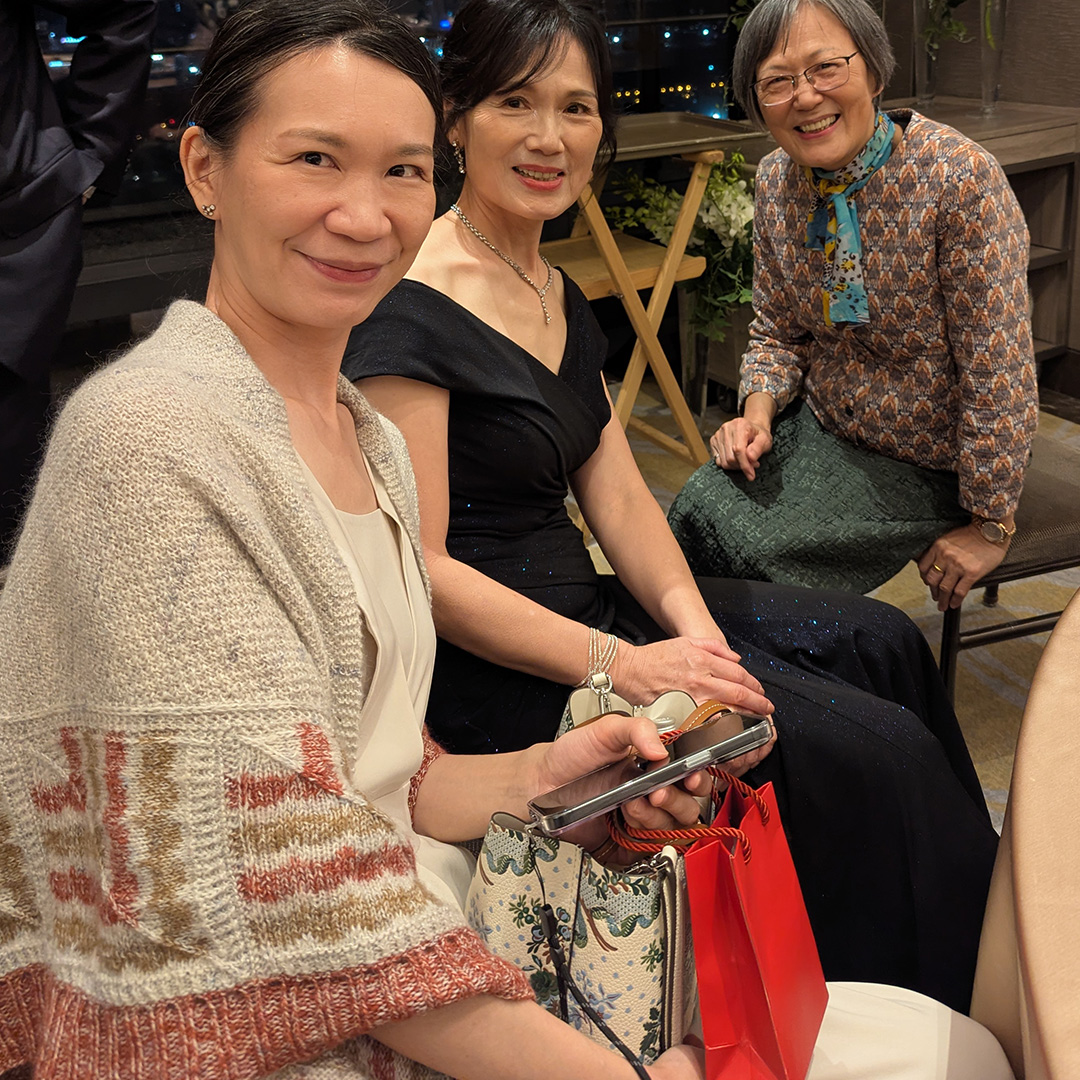
Two months later, the size and palette of this shawl turned out to be the perfect match for the dress I wore to my younger cousin’s wedding banquet. Since the dress was sleeveless with a bit of an open back, the shawl served as both a beautiful accessory and a warm layer in the air-conditioned winter venue. I received so many compliments that day! In this post, the photos show it styled with everyday jeans, and it looks just as stunning. This shawl truly goes with any outfit. I highly recommend everyone to try knitting this beautiful and unique Astera shawl!
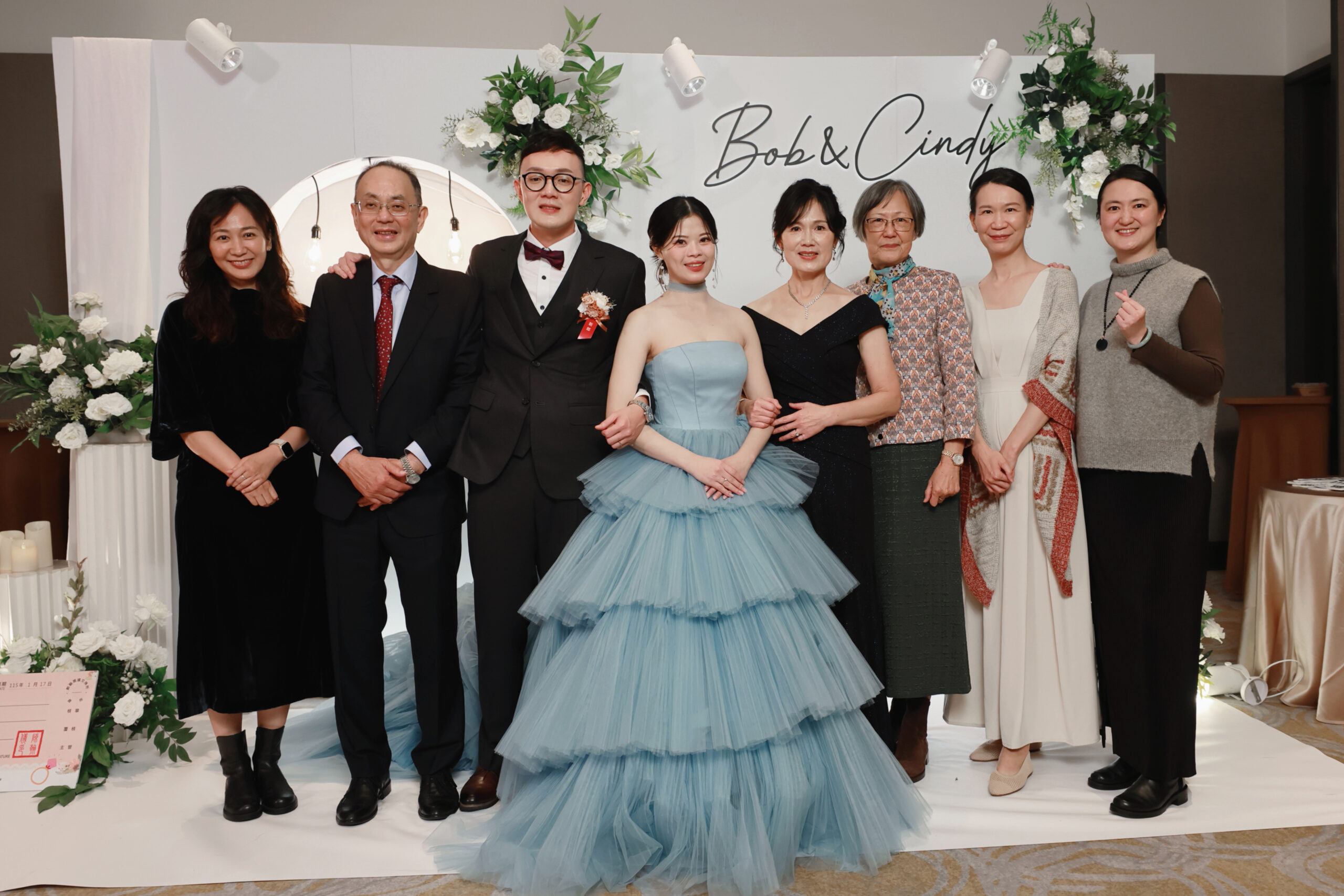
January 17, 2026: A precious family moment at my younger cousin’s wedding banquet.
歡迎訂閱我們的最新訊息!
Sign up for our latest news.
您已成功訂閱我們的電子報。
You have successfully subscribed our newsletter.